
1 · short paragraph
2 · medium-length paragraph
3 · long paragraph
4 · long paragraph
5 · medium-length paragraph
6 · short paragraph
Light and darknessday and night separated
Sky and watersthe vault divides the waters
Dry land and greeneryland and plants
Sun, moon, starslights “for appointed times”
Birds and fishfill the sky and the waters
Animals and humansfill the dry land
מוֹעֲדִים mo'adimappointed times · feasts — the treasure (Gen 1:14)
More infographics
2× Prayer: The Interior CastleAfter Teresa of Ávila
 Prayer: The Game with MinutesAfter Frank C. Laubach
 Frequency of prayerAfter the pilgrims of the Interior Castle
 Two mentalities: Shalom vs. EmpireBased on the Bema podcast
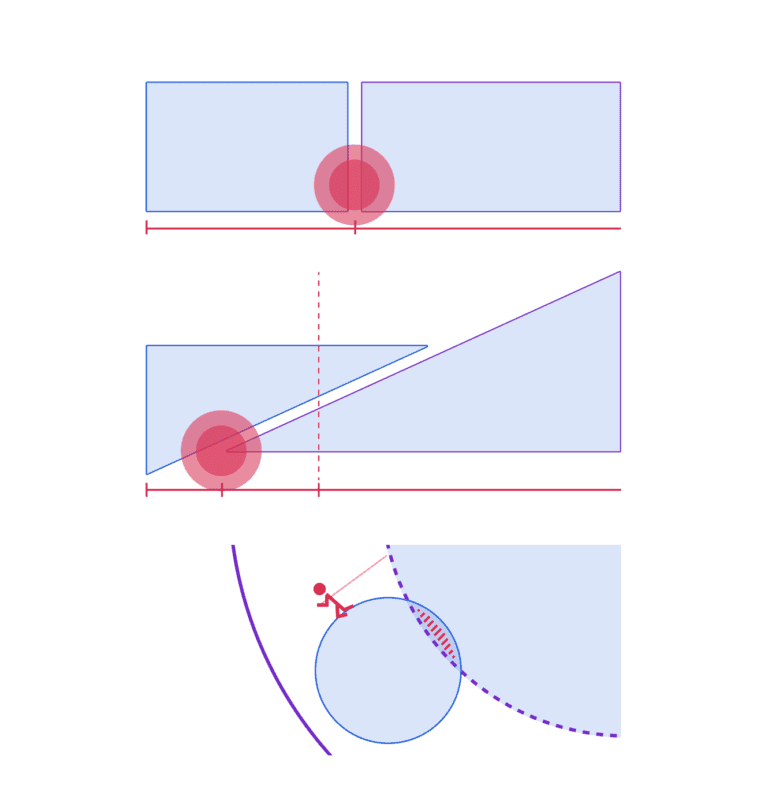 The kingdom of God: Map and timelineBased on the Bema podcast and MH
 Map of the disciplinesAfter Dallas Willard
 D. Willard: Renovation of the HeartBased on Renovation of the Heart
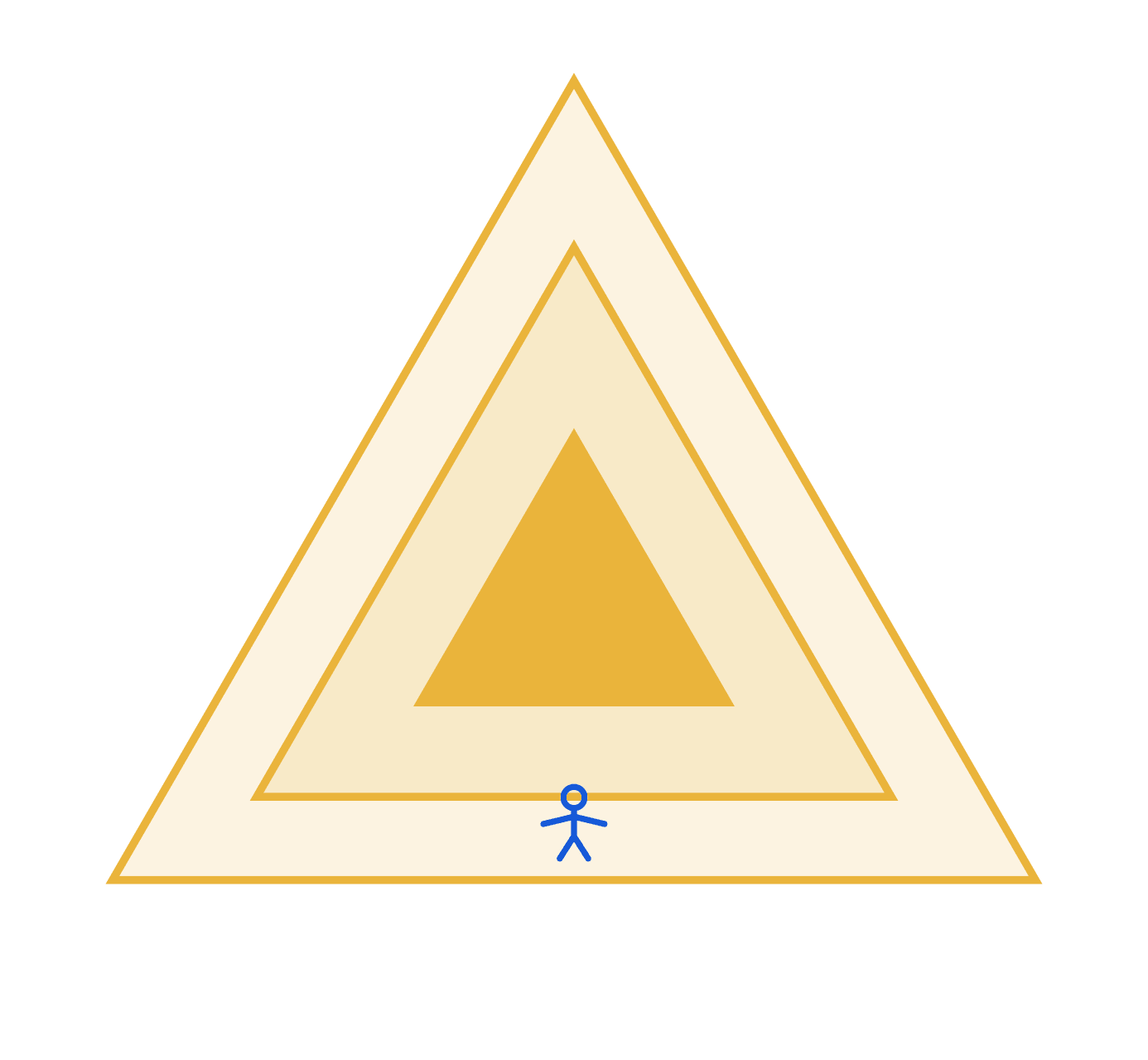 D. Willard: Hearing GodBased on the book Hearing God
 Keller: Prayer — toil or delight?Based on the book Prayer
 C. S. Lewis on prayerBased on Letters to Malcolm
 N. T. Wright on prayerBased on the book The Lord and His Prayer
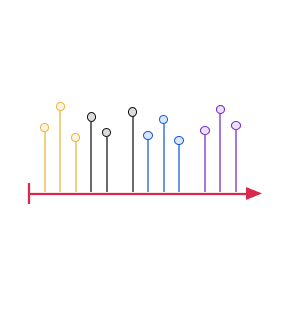 The Minor Prophets: Twelve voicesBased on the Bema podcast
 The Gospels: Four voicesBased on the Bema podcast2×
 Seeking and strayingAfter the testimonies of ten pilgrims
 The quiet revivalBased on The Quiet Revival
 Groups of Jesus' dayBased on the Bema podcast
Prayer: The Interior CastleAfter Teresa of ÁvilaPrayer: The Game with MinutesAfter Frank C. LaubachFrequency of prayerAfter the pilgrims of the Interior CastleTwo mentalities: Shalom vs. EmpireBased on the Bema podcastThe kingdom of God: Map and timelineBased on the Bema podcast and MHMap of the disciplinesAfter Dallas WillardD. Willard: Renovation of the HeartBased on Renovation of the HeartD. Willard: Hearing GodBased on the book Hearing GodKeller: Prayer — toil or delight?Based on the book PrayerC. S. Lewis on prayerBased on Letters to MalcolmN. T. Wright on prayerBased on the book The Lord and His PrayerThe Minor Prophets: Twelve voicesBased on the Bema podcastThe Gospels: Four voicesBased on the Bema podcast2×Seeking and strayingAfter the testimonies of ten pilgrimsThe quiet revivalBased on The Quiet RevivalGroups of Jesus' dayBased on the Bema podcast